Tourist attractions in Mazagão
Historic district
Conjunto histórico de Mazagão Velho
Mazagão, AP
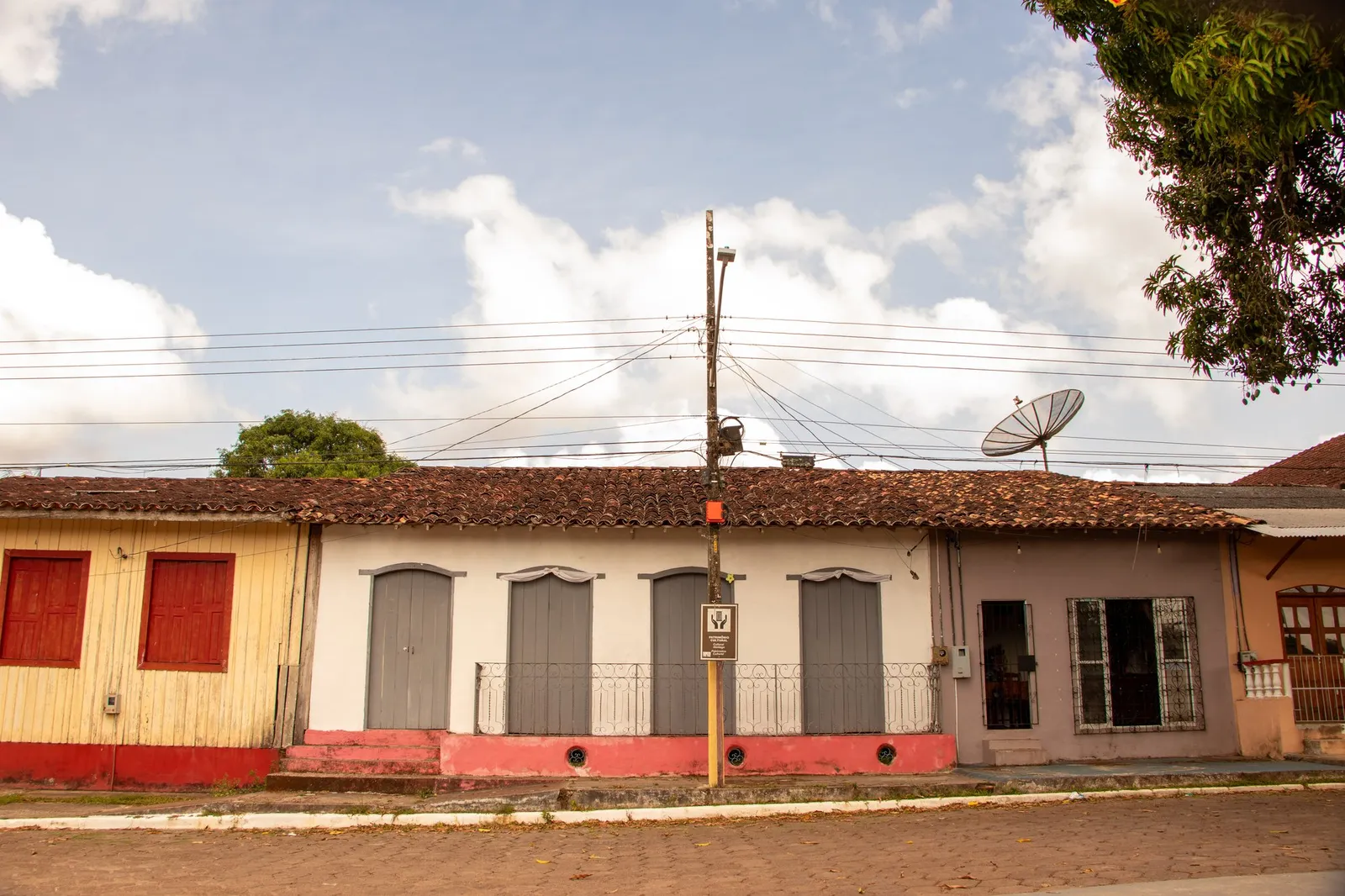
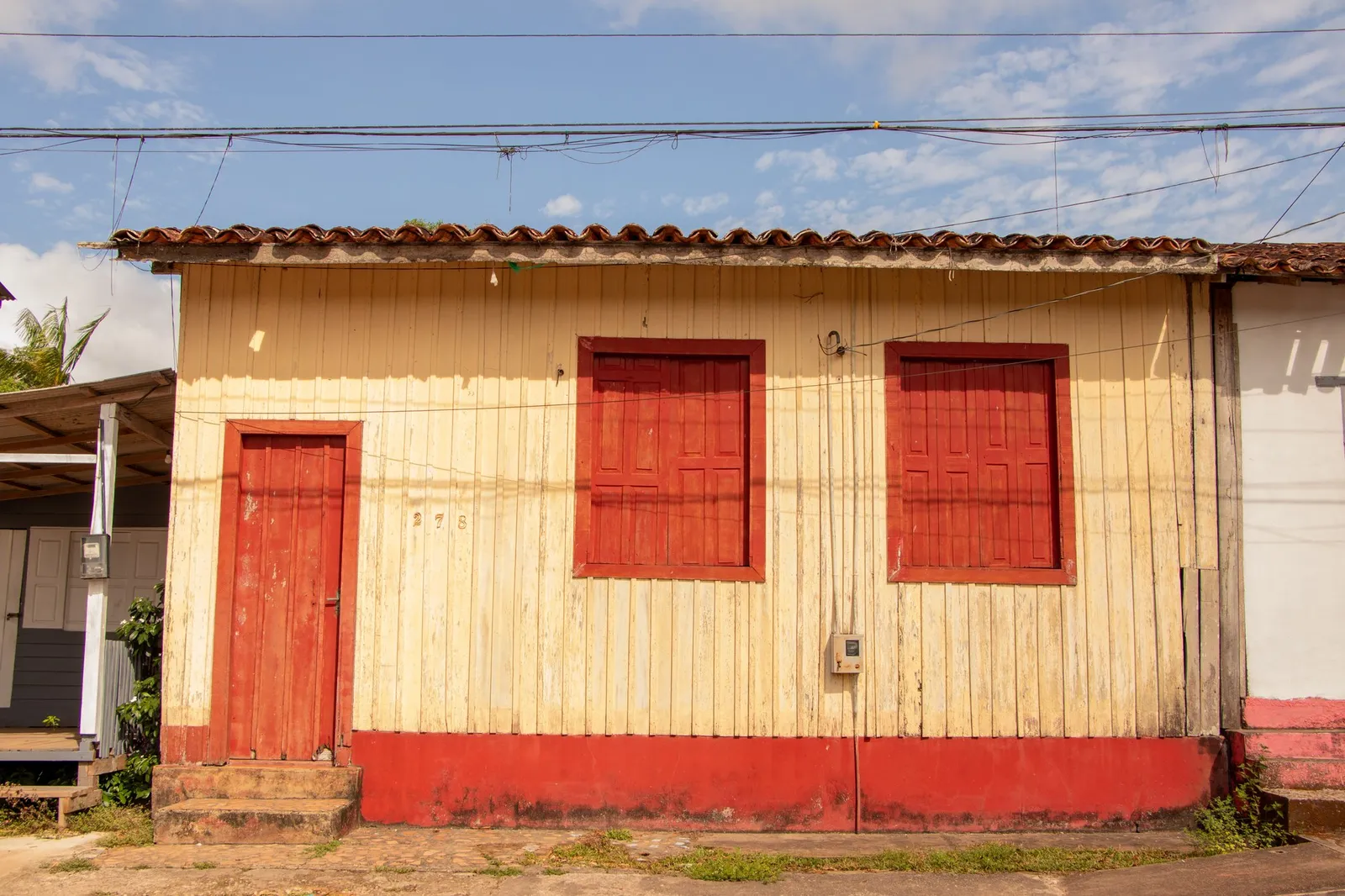
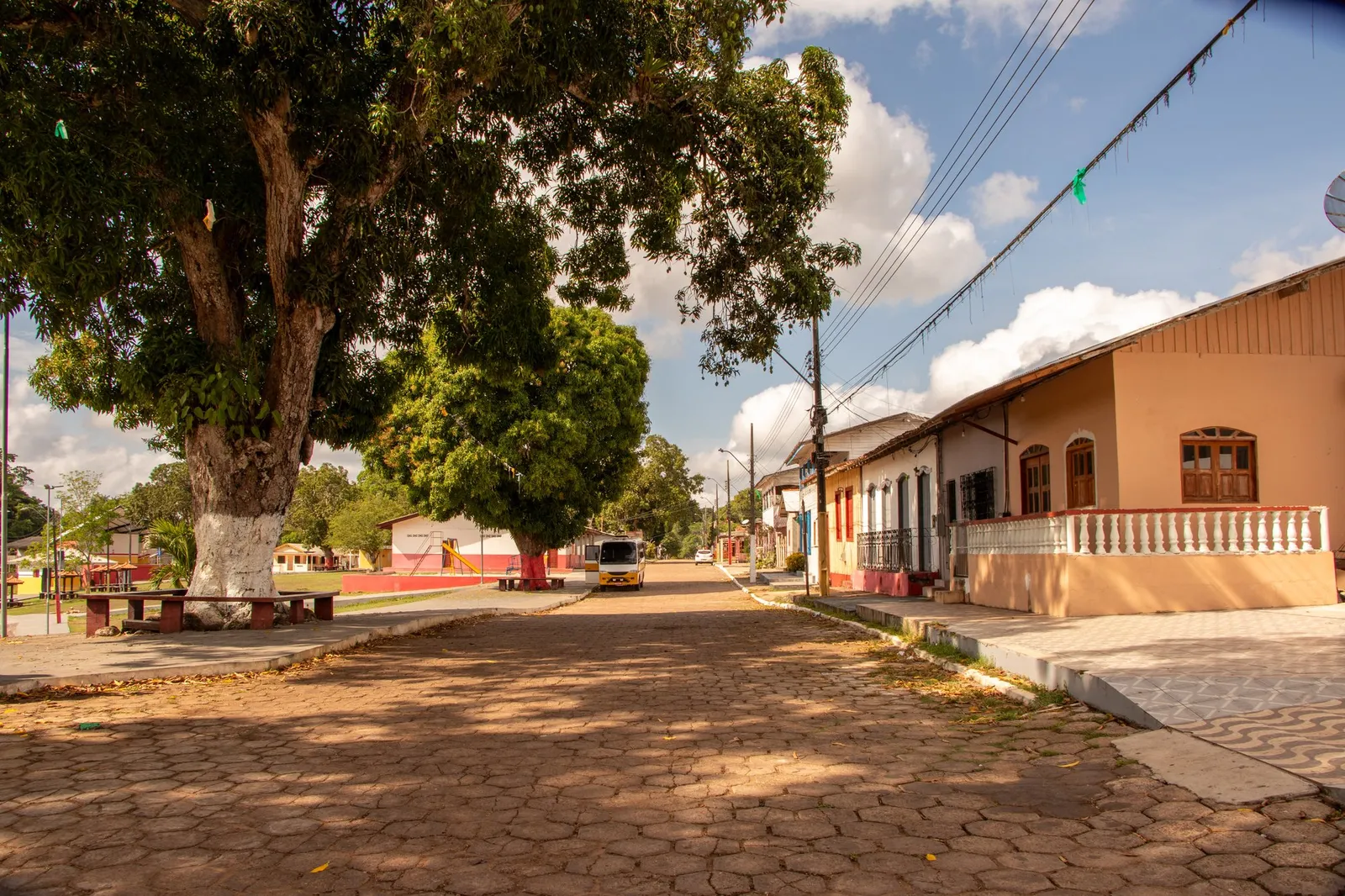
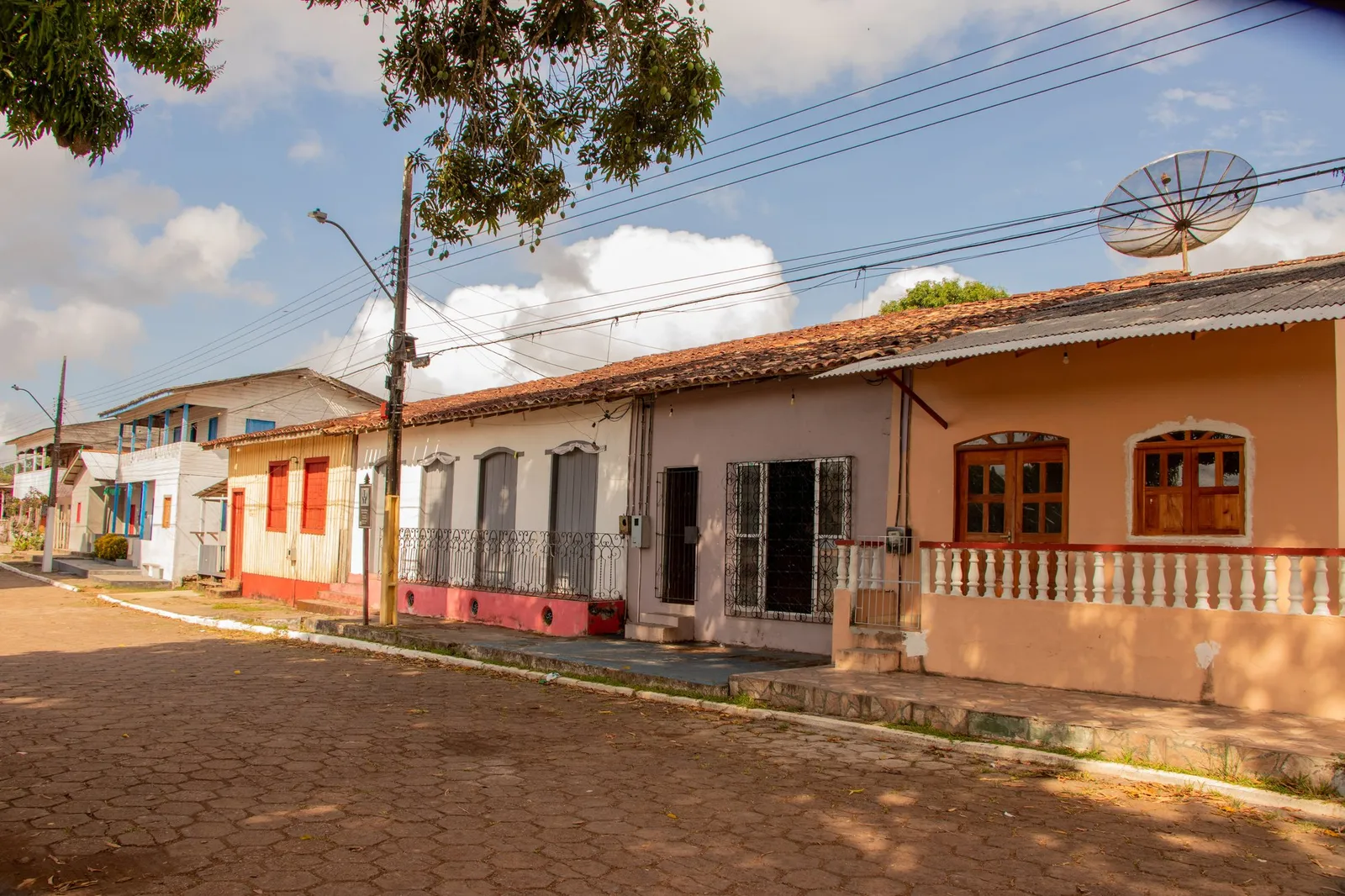
Streets and buildings preserve traces of Mazagão Velho’s origins.
Automatic translation. This text was translated from Portuguese by artificial intelligence and has not yet been reviewed by a person.
Searches for this place by name on Google Maps. Check the result and access before starting your journey.
Getting here and around · Mazagão ↗
Photos
Select a photo to enlarge it. Captions identify the place and the source.
-
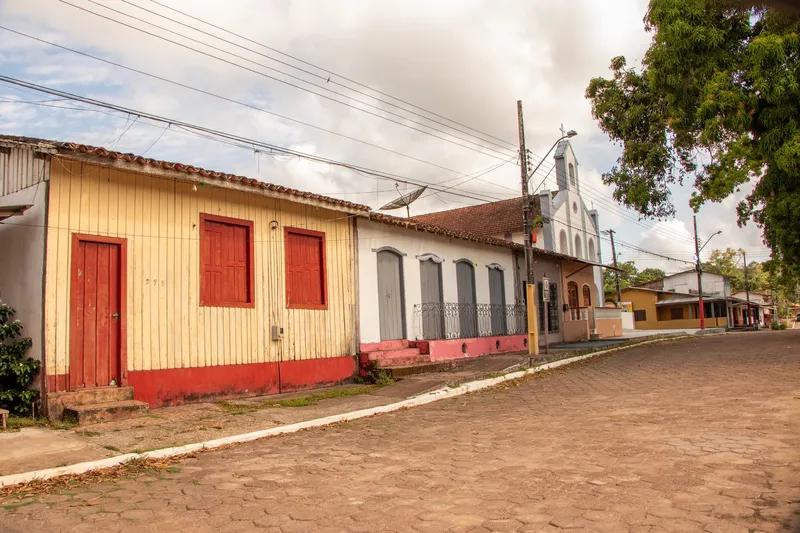
Contemporary record Conjunto histórico de Mazagão Velho: Fecomércio Amapá collection, photographed in December 2023. Photo: Acervo Fecomércio Amapá / Cetur · Uso autorizado pela Fecomércio AP, titular do portal turismoamapa.com.br (21/10/2026). — Licence & original -
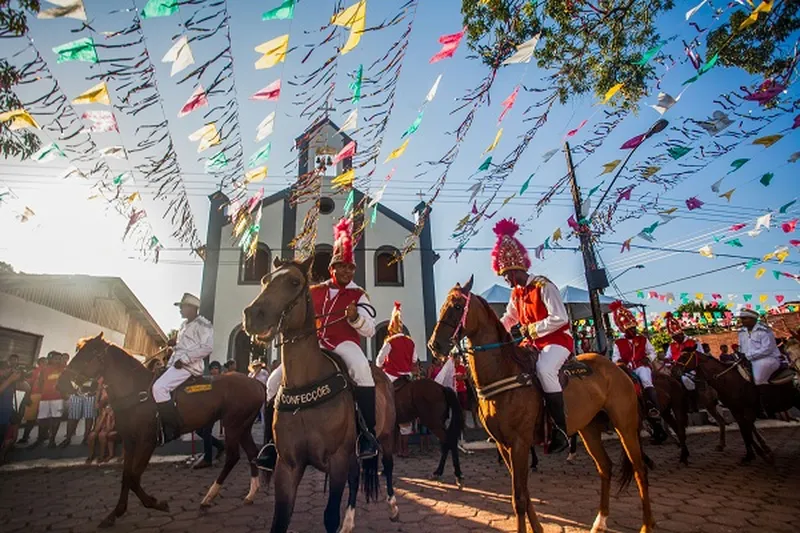
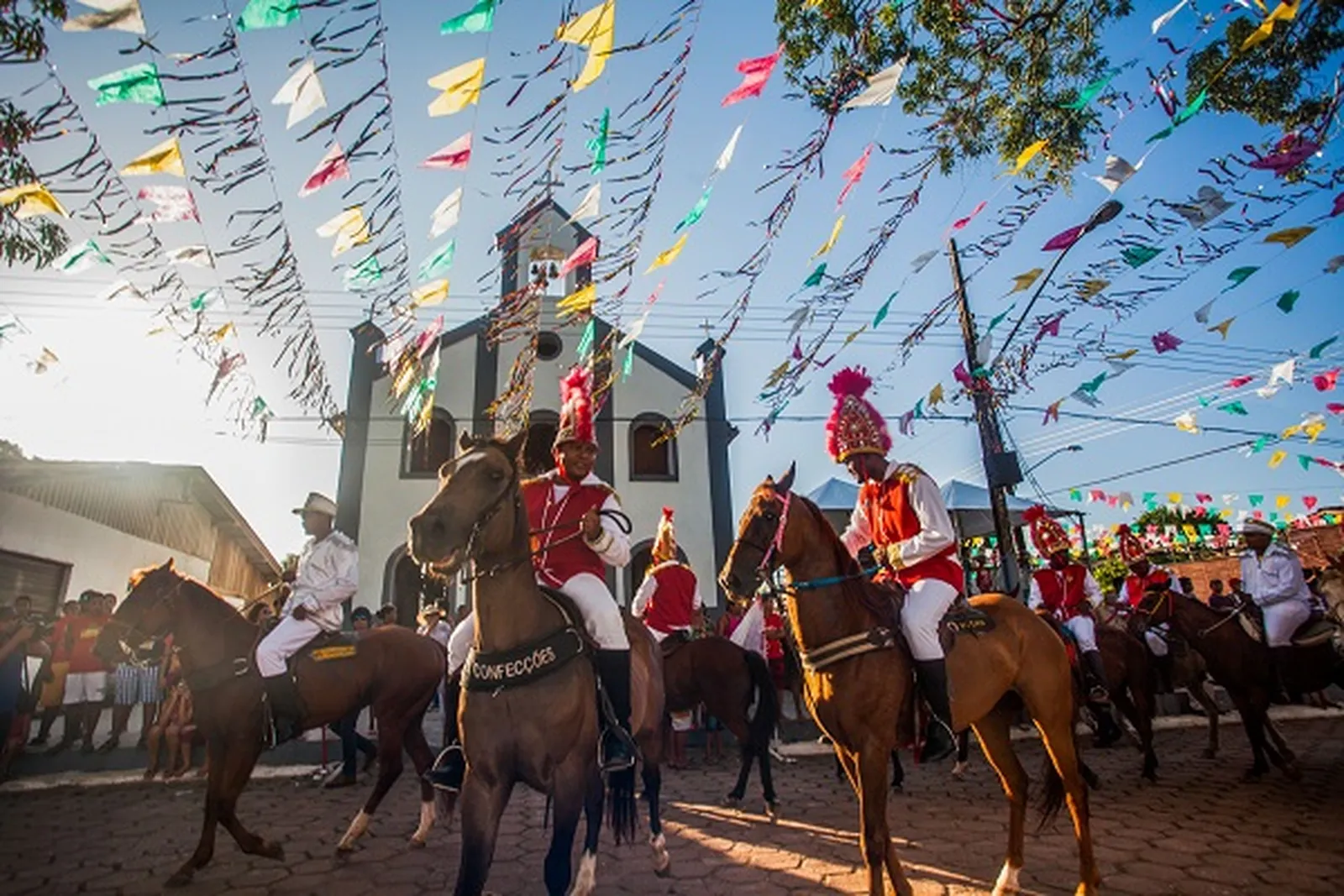
São Tiago festival outside Nossa Senhora da Assunção Church in Mazagão Velho. Photo: Government of Amapá · CC BY 3.0 — Licence & original -
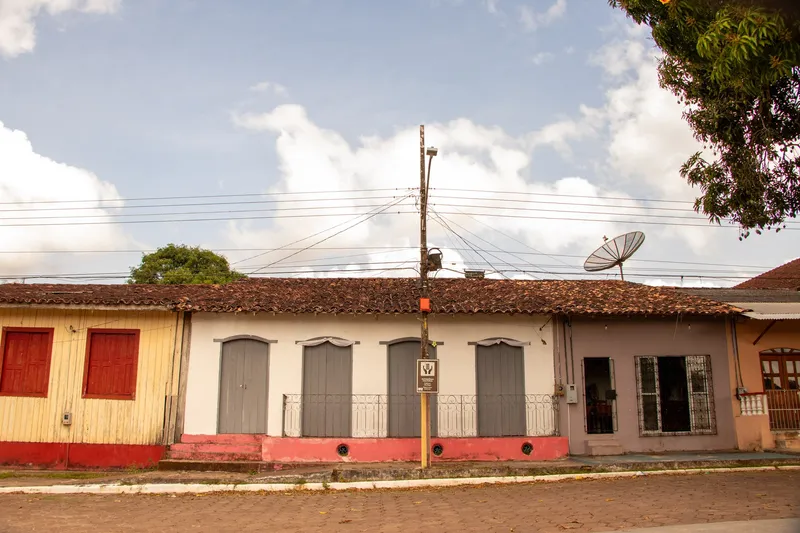
Contemporary record Conjunto histórico de Mazagão Velho: Fecomércio Amapá collection, photographed in December 2023. Photo: Acervo Fecomércio Amapá / Cetur · Uso autorizado pela Fecomércio AP, titular do portal turismoamapa.com.br (21/10/2026). — Licence & original -
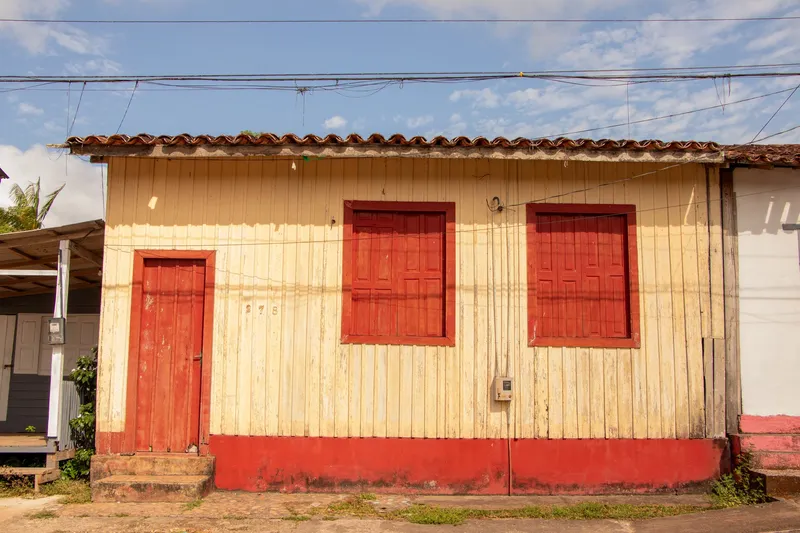
Contemporary record Conjunto histórico de Mazagão Velho: Fecomércio Amapá collection, photographed in December 2023. Photo: Acervo Fecomércio Amapá / Cetur · Uso autorizado pela Fecomércio AP, titular do portal turismoamapa.com.br (21/10/2026). — Licence & original -
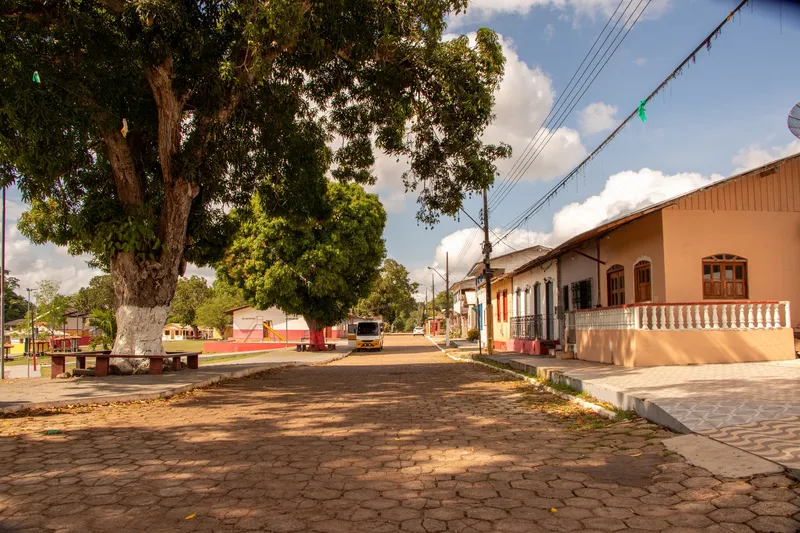
Contemporary record Conjunto histórico de Mazagão Velho: Fecomércio Amapá collection, photographed in December 2023. Photo: Acervo Fecomércio Amapá / Cetur · Uso autorizado pela Fecomércio AP, titular do portal turismoamapa.com.br (21/10/2026). — Licence & original -
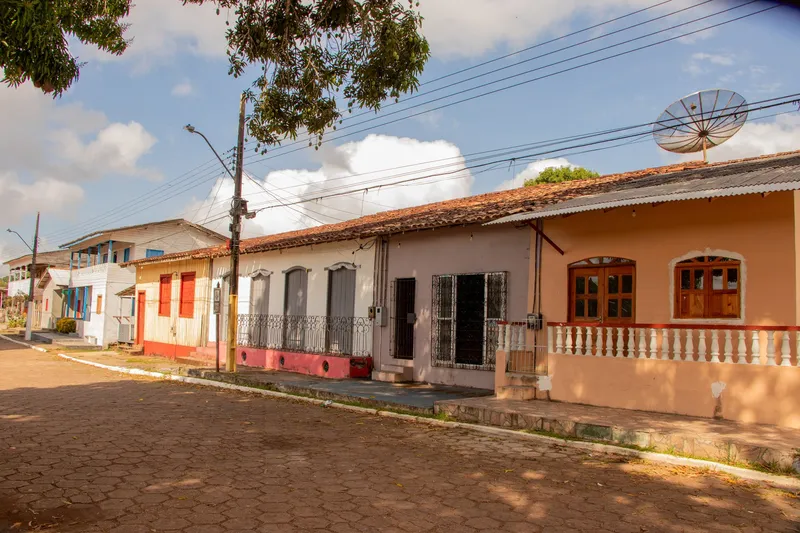
Contemporary record Conjunto histórico de Mazagão Velho: Fecomércio Amapá collection, photographed in December 2023. Photo: Acervo Fecomércio Amapá / Cetur · Uso autorizado pela Fecomércio AP, titular do portal turismoamapa.com.br (21/10/2026). — Licence & original
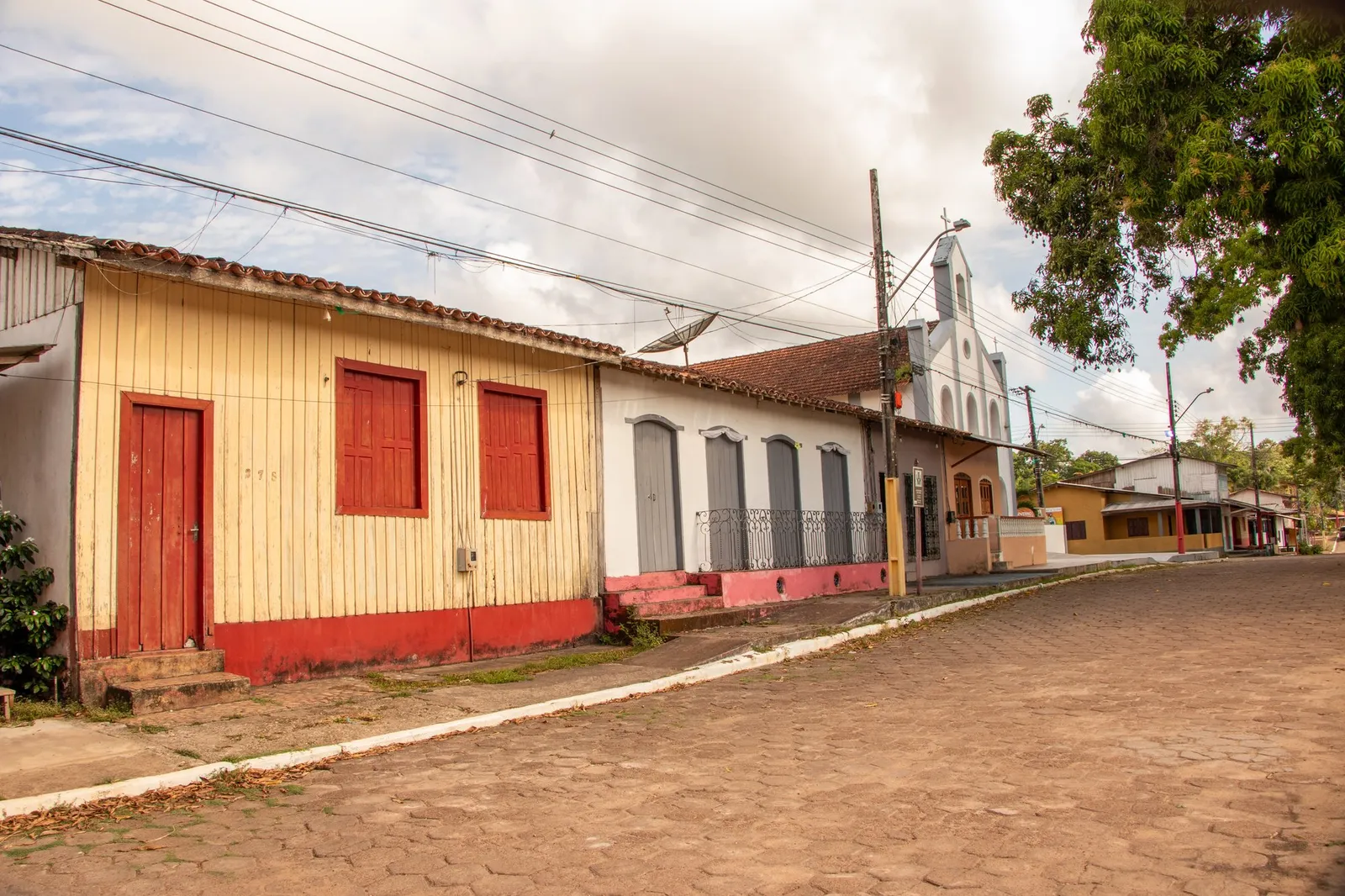
Discover this place
Listen to the story
Automatic reading of the text below in its available language. Offline use requires a voice installed on this device.
Read-aloud requires a compatible browser voice. The full text is available below.
Mazagão Velho arose from a colonial project to transfer families from Portuguese Mazagão, in present-day Morocco, to Amazonia in the eighteenth century. Founded in 1770, the village carries an Atlantic history of displacement and the formation of an Amazonian society that cannot be reduced to the colonists' European origins.
Read streets, architectural references and São Tiago festival traditions together. The community sustains a celebration that turns everyday spaces into ritual settings with characters and performances. Outside festival dates, local guidance helps reveal these connections without expecting every historic house to operate as a museum. Respect homes and distinguish the urban settlement from the old church's archaeological ruins.
The journey from the former African Mazagão to the Mutuacá River included stops in Portugal and Belém. Enslaved Africans were among those displaced. This journey reveals the village as a product of forced migration and unequal relationships, extending beyond the memory of Portuguese settlers.
Sources & information
- Fecomércio AP — Conjunto histórico de Mazagão Velho Accessed on 2026-09-17
- Pesquisa acadêmica — Passado português, presente negro: Mazagão Velho Accessed on 2026-09-22
- Governo do Amapá — Tradições da Festa de São Tiago Accessed on 2026-09-22
- Fecomércio/AP e Cetur/AP — Turismo no Amapá 2024, página PDF 64 Accessed on 2026-09-23
- Salheb — A festa de São Tiago: espacialidades, memória e identidade, em Amapá uma experiência afro-brasileira Accessed on 2026-09-23